A Comprehensive Checklist for Full-Mouth Dental Implants
A Comprehensive Checklist for Full-Mouth Dental Implants
Blog Article
If you're considering options for replacing lost teeth, dental implants present an innovative choice. These biocompatible components provide a durable base for both fixed and removable prosthetic teeth, crafted to harmonize with your natural teeth. Many individuals benefit from seeking professional insights regarding the ideal options available. Dental implants not only restore your bite but also help improve your smile's appearance, boosting confidence among patients at . Thanks to advancements in dental practices, the implantation procedure has become smoother and less invasive. It's vital to engage with a dental implant professional to explore the best approach suited to your unique requirements. This guide will help you understand the various types of dental implants, their pricing structures, and essential considerations, ensuring you can make educated decisions at highest quality dentures. Dental implants consist of synthetic tooth roots crafted from titanium and surgically inserted into the jawbone. They act as a reliable base for replacement teeth, ensuring a natural look and feel that closely mimics genuine teeth. To qualify for dental implants, individuals should possess healthy gum tissue, sufficient bone density, and the capability to copyright proper oral hygiene. Generally, age is not a barrier to eligibility. With appropriate care, dental implants can endure for a lifetime; however, the crowns that sit on top may require replacement every 10 to 15 years. Most individuals experience minimal pain during and after the dental implant procedure, comparable to a tooth extraction, with discomfort manageable through medication. The price of dental implants can differ depending on several factors, including geographic location, type of implant, and additional procedures that may be required, generally ranging from $3,000 to $6,000 each. Only qualified dental professionals, particularly those with certification in implant dentistry, should perform dental implant placements to guarantee proper technique and patient safety. There are essentially two principal types of dental implants that patients can consider: endosteal and subperiosteal. Endosteal implants are recognized as the more common variety, involving the surgical insertion of a titanium post directly into the jawbone. This implant then undergoes osseointegration, where the surrounding bone material gradually fuses with the implant, establishing a sturdy foundation for the artificial tooth. On the flip side, subperiosteal implants are placed beneath the gum line but over the jawbone. They are often a suitable choice for those who have insufficient bone height, providing an alternative that accommodates different dental conditions. A single dental implant is an excellent option for patients who have lost one tooth due to various reasons, including trauma, decay, or dental diseases. This treatment is less intrusive and, in many cases, can be completed in just one visit to the dental office. Many prospective patients consult with a specialist in dental implants to gain insight into the procedure and determine if they qualify for a single dental implant. The key benefits of this option include improved oral health, increased comfort, and a natural-looking tooth replacement that integrates seamlessly into the patient's smile as it mimics the function of natural teeth. For those who have lost multiple teeth across the dental arch, full-mouth dental implants present a compelling solution. This procedure can restore an entire arch of teeth using fewer implants, often referred to as “All-on-4” or similar techniques. Full-mouth dental implants provide a stable and durable option compared to traditional dentures. They also require fewer surgeries and less healing time compared to multiple individual implants. Consulting resources on full-mouth dental implants from professional specialists can clarify costs and factors involved. The expenses associated with dental implants can greatly vary due to several factors, including the number of implants needed, the surgical technique utilized, and the practice's geographical setting. Consulting with a qualified dental implant expert will shed light on these financial considerations. Moreover, it is important to learn how high-quality dentures differ from dental implants, as this insight can impact your decision-making process. While dentures might seem like a less expensive option initially, their shorter lifespan and the frequent need for adjustments can lead to higher overall costs in the long run. As a result, many individuals favor the strength and permanence that dental implants offer. For a more in-depth examination, readers can visit the dental implant resource for additional information and insights. Frequently asked questions
What are dental implants?
Who is a candidate for dental implants?
How long do dental implants last?
Are dental implants painful?
How much do dental implants cost?
Can anyone place dental implants?
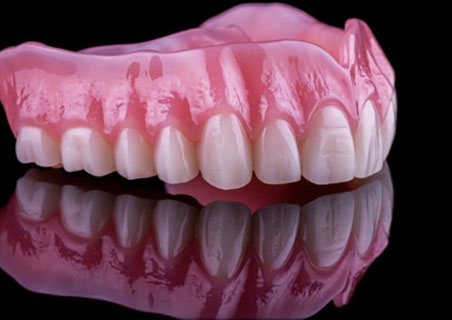 fixeddentalcarefixeddentalcare guide
 fixeddentalcarefixeddentalcare
Types of Dental Implants
Single Dental Implants
Full-Mouth Dental Implants
Understanding Costs and Considerations
dental implants
Tips for Choosing the Right Dental Implant Options
Selecting the best dental implants can significantly impact your long-term satisfaction. Ensuring you choose a qualified specialist and perform thorough research can facilitate a successful outcome.
- Research the credentials and experience of your dental implant specialist Kyle.
- Review galleries or testimonials from previous patients to gauge their satisfaction.
- Inquire about the materials used in dental implants and their longevity.
- Discuss financing options available to help manage costs.
- Ask for a comprehensive breakdown of the procedure timeline and aftercare requirements.
Video
Opting for dental implants is a significant decision that can greatly influence your quality of life. With the right information and professional guidance from a dental implant specialist Kyle, you will find a solution that enhances both your oral health and self-esteem.
As you weigh your choices, consider the benefits that dental implants can offer, including improved functionality and aesthetics. Investing time in research, such as understanding the differences between single dental implants and full-mouth replacements, will ultimately lead you to make the best choice for your dental health.